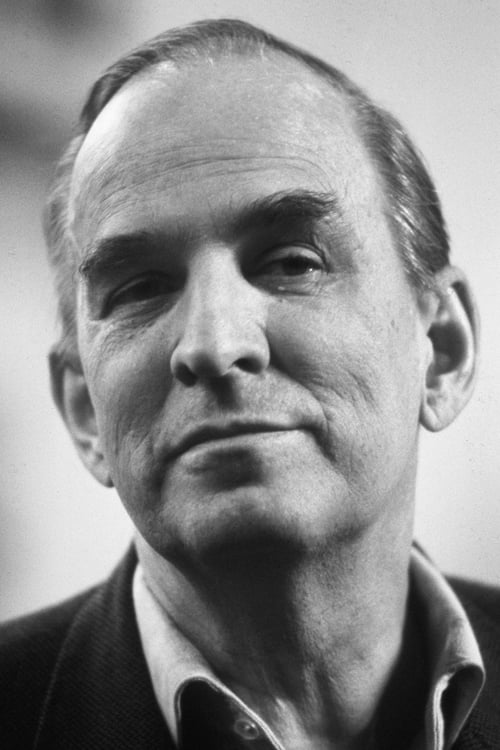
Ingmar Bergman
Biography
Ernst Ingmar Bergman (July 14, 1918 – July 30, 2007) was a pioneering Swedish director whose impact on cinema remains profound and enduring. Often regarded as one of the most significant filmmakers in history, Bergman’s works delve into the intricate struggles of the human mind and spirit, offering deep, introspective explorations of existential themes.
Over his illustrious career, Bergman helmed more than 60 films and documentaries, many of which he also penned. A significant portion of his cinematic repertoire was shot in Sweden, particularly on the picturesque island of Fårö from 1961 onwards. His influence extended beyond film; he was also a distinguished theater director, serving as Leading Director at the Royal Dramatic Theatre in Stockholm and the Residenztheater in Munich, where he directed over 170 plays.
Bergman’s collaborations with cinematographers Gunnar Fischer and Sven Nykvist were instrumental in shaping the visual style of his films. He frequently worked with a talented ensemble of actors, including Harriet Andersson, Bibi Andersson, Liv Ullmann, Gunnar Björnstrand, Erland Josephson, Ingrid Thulin, Gunnel Lindblom, and Max von Sydow, who brought his complex characters to life.
Through his innovative storytelling and artistic vision, Ingmar Bergman left an indelible mark on the film industry, solidifying his legacy as a master of cinematic art.
Filmography
View all
Federico Fellini's Autobiography
2000 • Self (archive footage)
To Joy
1950
Scenes from a Marriage
1974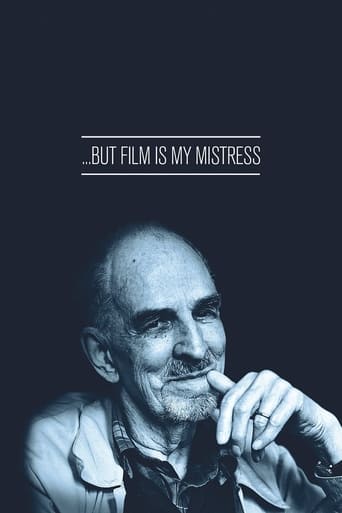
… But Film Is My Mistress
2010 • Self
The Rite
1969 • Priest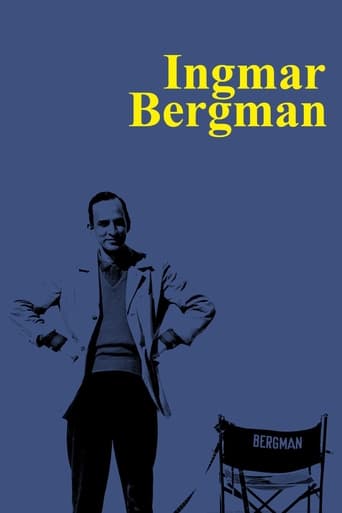
Ingmar Bergman
1972 • Self
Fårö Document 1979
1979 • Ingmar Bergman
The Making of Fanny and Alexander
1984 • Self
Cries and Whispers
1972 • Narrator (voice)